


Content in collaboration with our partnerRoiback.
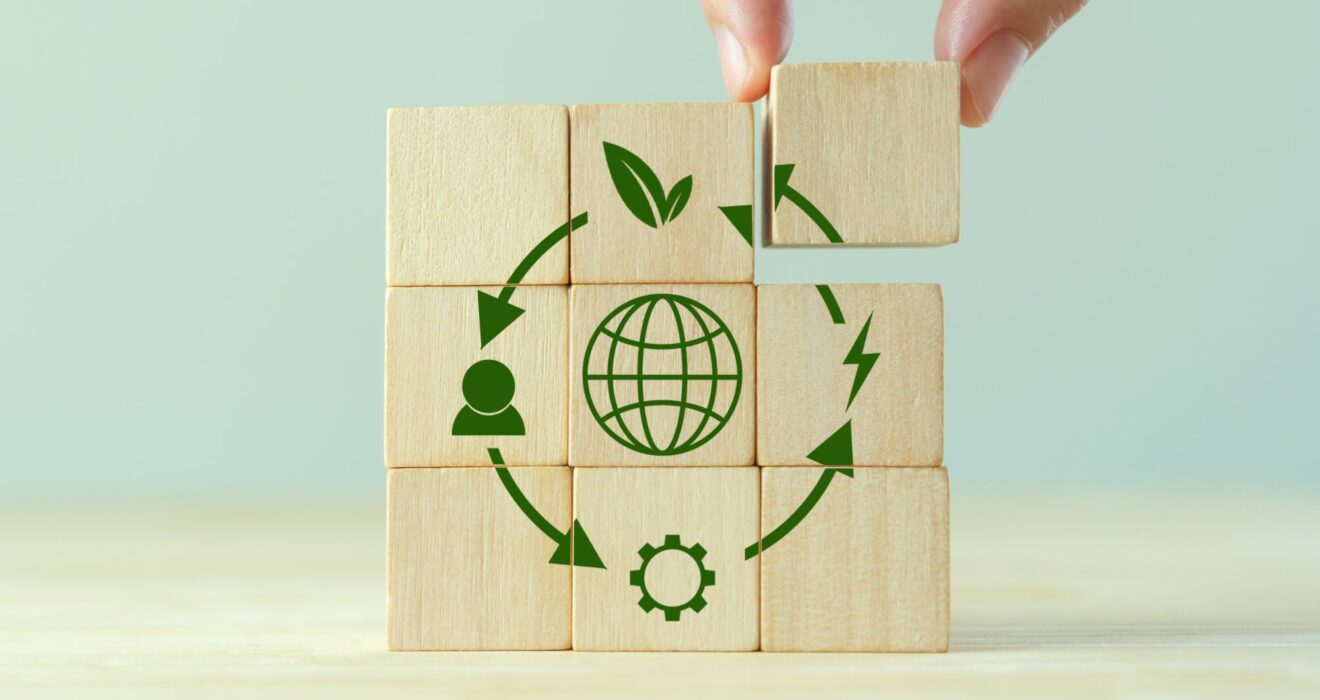
The circular economy has become a key pillar of hotel sustainability. As opposed to the traditional use-and-dispose model, circularity proposes optimizing the use of resources, reducing waste and extending the useful life of materials, products and assets. This approach not only reduces environmental impact, but also improves operational efficiency and strengthens the hotel’s competitiveness.
Key benefits
- Reduced waste generation and more efficient use of resources
- Reduction of operating costs in the medium and long term
- Strengthening the ESG strategy and the company’s reputation
What actions can be implemented?
- Responsible purchasing with reusable or recycled products
- Reduction of single-use plastics and buffet optimization
- Improved waste management and recycling
- Efficient use of water and energy
- Collaboration with local and sustainable suppliers
Integrating circularity into the strategy
Assessing the hotel’s level of circularity is the first step in moving forward. Through a diagnosisThrough a diagnosis, it is possible to identify inefficiencies, prioritize actions and measure results with clear indicators, supported by digital tools that facilitate decision making and progress monitoring.
Circularity as part of a broader strategy
Circularity does not act in isolation: it is integrated with energy efficiency, emissions reduction and responsible resource management. When addressed in a cross-cutting manner, it becomes a real and measurable competitive advantage. With solutions such as Bioscore Data Platformhotels can transform data into concrete actions towards a more sustainable model.
Small changes in daily management make it possible to move towards a more efficient and responsible hotel industry that is aligned with the expectations of today’s travelers.