


Content in collaboration with our partner, Roiback.
World Environmental Education Day, January 26, reminds us that sustainability in hospitality goes beyond good intentions. It is not only about implementing responsible practices, but also about integrating them into the daily experience of guests and teams, connecting actions with real impact and meaning.
Environmental education as part of the experience
Hotels have a unique opportunity during the stay to promote responsible habits. Clear messages about why it is proposed to reuse towels, how waste is managed or what actions are taken to protect the natural environment help environmental practices to be lived and understood as part of the stay.
Participatory actions that generate learning
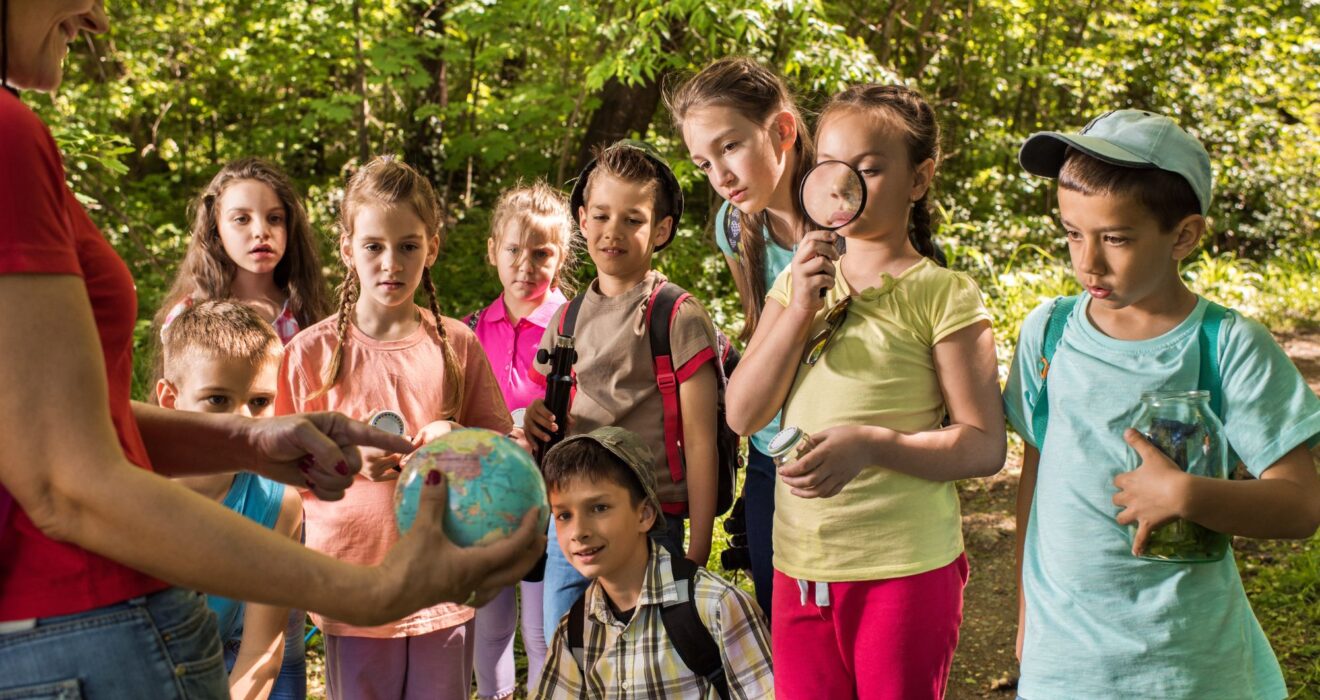
Initiatives that invite participation, such as beach cleanups, activities with local communities or actions aimed at families and children, help to turn environmental education from an abstract concept into a shared and memorable experience.
Measuring to communicate with credibility
Environmental education is most effective when it is supported by data that show results. Measuring key indicators makes it possible to evaluate the impact of actions and communicate them with transparency, reinforcing the confidence of guests and other stakeholders.
From data to strategic action
Incorporating environmental education into the hotel strategy involves moving from isolated activities to measurable processes. This aligns the organization around clear environmental objectives, makes it easier to track progress and turns initiatives into a sustainable competitive advantage.
Read the full article on the Roiback blog and discover how your hotel can generate positive impact by combining data, guest experience and meaningful environmental practices.